
Shipment operations · Freight forwarder
Container did not sail despite a confirmed booking: what to check
Establish the facts behind a container left behind, check the next transport plan and avoid promising an unconfirmed delivery date.
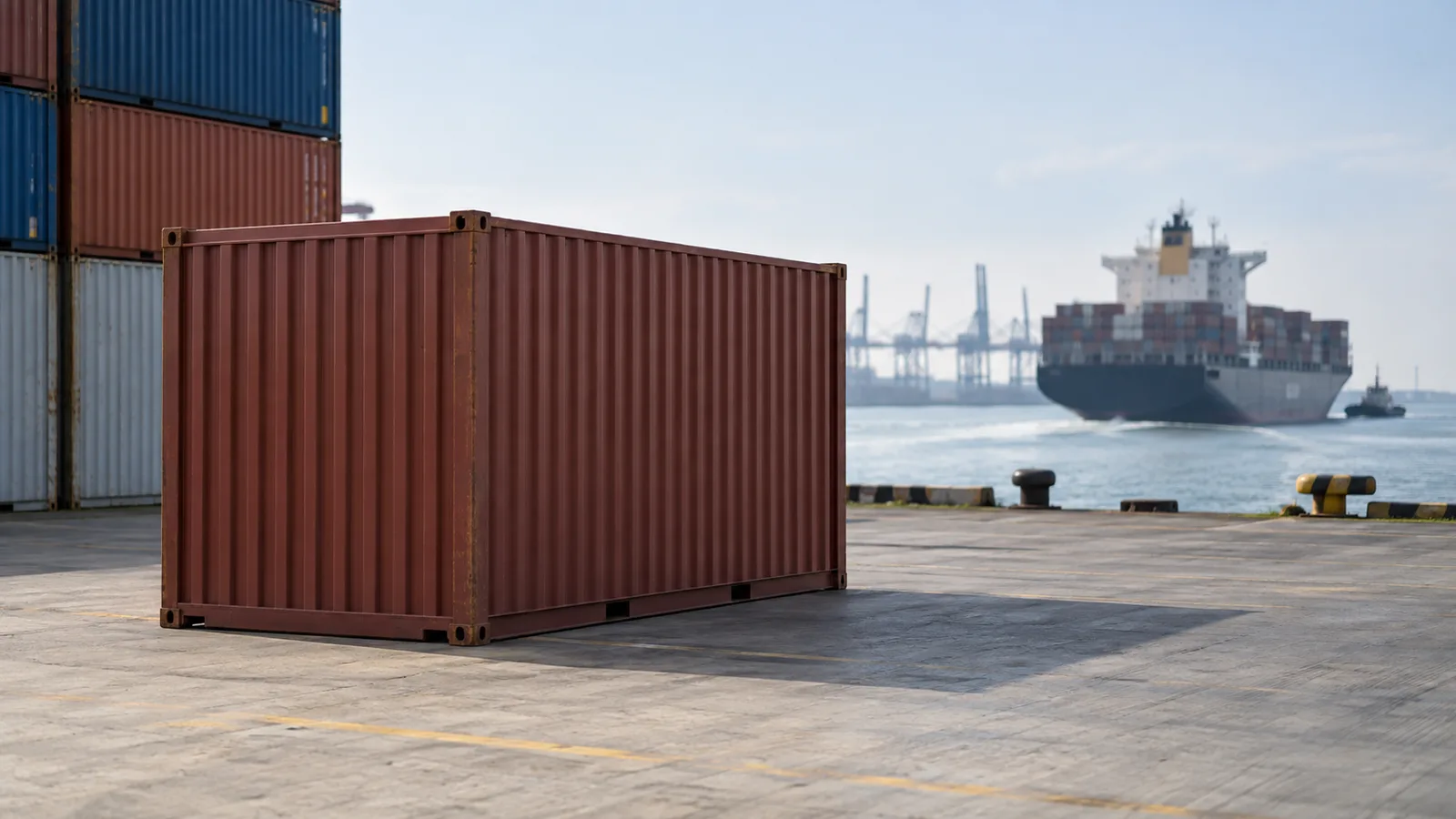
Prepare an incident record and specific questions about the next sailing, costs and actions.
A booking confirmation records an accepted reservation. It is not evidence that a particular container was loaded on a vessel. If the sailing departed while your unit remained, establish the facts for that container number first.
Do not begin by guessing whether space, documents or timing caused the problem. Collect current status and evidence of required submissions, then request the cause and onward plan.
Identify the last confirmed event
Match booking, container and voyage against the latest confirmation. With several containers, check each individually. One unit sailing does not determine the others' status.
Request location, last completed event, timestamp and source. Separate actual events from planned ones. DCSA Track & Trace distinguishes event types; the standard does not guarantee complete data for your shipment.
Keep the notice that cargo did not sail. Missing updates in one portal alone do not establish that the unit was left behind. Confirm with the party handling carriage.
Create an incident record
| Field | Record |
|---|---|
| Identity | Booking, container, original voyage |
| Latest fact | Event, location, timestamp and source |
| Confirmed cause | Carrier's specific answer, or “unconfirmed” |
| Documents | SI, VGM and other required-data status |
| New plan | Proposed voyage and confirmation status |
| Actions | Responsible person and response deadline |
Do not enter a hypothesis as the confirmed cause. If the message only says “rolled”, ask what that means for this unit and whether the reason has been established.
Verify submissions without assuming fault
Gather terminal acceptance evidence and SI/VGM acceptance where applicable. Compare these with the deadlines in force at the time. Check later voyage or instruction changes and whether resubmission was required.
A message sent and data accepted are different facts. Request acceptance status and any error message. Preserve original timestamps rather than rewriting the sequence after the event.
Missing VGM can prevent loading under SOLAS requirements. That does not establish it as the cause in your case. Record the actual finding.
Ask specifically about the next sailing
Obtain the new voyage reference, loading port, planned date and whether the container is assigned and confirmed. Ask about subsequent connections and the expected warehouse-delivery impact.
“The next ship” is too vague without an identified sailing. Separate a proposal from confirmation and confirmation from subsequent evidence of loading.
Review the purchased product's commitments and any claims procedure. Do not presume automatic compensation, a particular amount or absence of entitlement without the applicable documents.
Agree consequences before issuing instructions
Ask about equipment remaining in place, document amendments and other services. For time charges, request how the delay period is treated, the tariff and a written container-specific answer.
Do not order a terminal withdrawal or replacement transport merely because an earlier option exists. Establish availability, operational approval, cost and authorisation. Alternative sailings can have different deadlines and scope.
Give the customer facts and a next step
State what did not happen, the confirmed location, what is known about the cause and when you will provide another update. Your next-update time is an organisational commitment, not a sailing guarantee.
If the replacement voyage is only proposed, call it proposed. Do not turn an estimated arrival into a firm warehouse appointment.
Checklist
- The actual container, not only the booking, was checked.
- Actual and planned events are separated.
- The cause is sourced or remains unconfirmed.
- Required-data acceptance and deadlines were checked.
- The new plan identifies voyage, confirmation status and next check.
- Costs and instructions are agreed before execution.
Carrier message
Please confirm status of container [number], booking [reference], originally planned for [voyage]. We have been advised it did not sail. Provide the last actual event with location and timestamp, confirmed cause, required-data status and replacement voyage with assignment/acceptance status. Please identify actions, cost consequences and the next update time. An unconfirmed proposal is not being treated as a revised delivery commitment.
Sources and scope
- DCSA — Track & Trace standard documentationSource checked: 2026-09-13
Transport-event data standard, not a promise of complete carrier data. Read planned and actual events with their location, source and update context.
- Maersk — Terms for CarriageSource checked: 2026-09-13
This carrier’s carriage contract, subject to applicable law. Tariff, procedures, liability and claims cannot be inferred from the freight price alone.
- IMO — Verification of the gross mass of a packed containerSource checked: 2026-09-13
SOLAS VI/2, applicable requirement from 1 July 2016. The shipper provides verified gross mass including tare, packaging and securing material; VGM does not guarantee vessel space.
Editorial information
Author: WR
Published · Published: 13/09/2026 · Content updated: 13/09/2026