Getting started
Your first sea freight import: what to agree before ordering
Prepare your first import from supplier discussions to warehouse delivery. Check quotation data, documents, responsibilities and costs.
Read article
Practical answers before booking, in transit and after delivery.
Step-by-step instructions for the load planner and charges calculator, with examples.
Results: 40
Prepare your first import from supplier discussions to warehouse delivery. Check quotation data, documents, responsibilities and costs.
Read articleCargo being ready does not mean the shipment is ready.
Read articleA quotation answers the information you provide.
Read articleA lower ocean freight rate does not necessarily mean a cheaper delivery.
Read articleFCL uses a whole container for the shipment; LCL shares container space with other consignments.
Read articleCheck internal space, door clearance, weight and loading access before ordering equipment.
Read articleCalculate package, batch and mixed-cargo volume without counting the same packaging twice.
Read articleDefine the handover point and separate loading, clearance, costs and risk before importing.
Read articleCheck ports, arrival charges and insurance when the seller arranges ocean freight.
Read articleClarify the charge scope, counting events and empty return before accepting the offer.
Read articleSeparate document deadlines, verified mass and container gate-in instead of watching only the vessel date.
Read articleSeparate the transport document from the release procedure before shipping or paying the supplier.
Read articleBuild a schedule from cargo readiness through unloading and empty return, with explicit assumptions.
Read articleBuild a consistent commercial, transport and customs file for the actual cargo and route.
Read articleCheck packaging, equipment condition, moisture and loading arrangements, and retain evidence.
Read articleTurn freight abbreviations into clear costs with units, currencies, scope and conditions before accepting a quotation.
Read articleClarify the event behind a freight quote's expiry date and what happens when a sailing moves into the following month.
Read articleCheck which costs prepaid or collect covers, identify the payer and reconcile billing instructions with the freight documents.
Read articleReview scope, container status, possible charges and confirmations before changing or cancelling a shipping booking.
Read articleReconcile quote and invoice line by line, check quantities and currencies, and prepare an evidence-based discrepancy enquiry.
Read articleEstablish the facts behind a container left behind, check the next transport plan and avoid promising an unconfirmed delivery date.
Read articleCheck the scope of a cancelled sailing, compare alternatives and update equipment, document and inland arrangements.
Read articleRead transshipment events, verify assignment to the next vessel and obtain an onward plan with clear uncertainties.
Read articleCheck discharge, terminal availability, releases, payments and collection arrangements before dispatching a truck on an ETA alone.
Read articleConfirm the return depot, permission to change it, acceptance requirements and full transport cost before delivery.
Read articleDescribe packed dimensions, weight, orientation and top-loading restrictions instead of supplying only CBM.
Read articlePrepare transport dimensions, weights, drawings and handling requirements for an oversized cargo assessment.
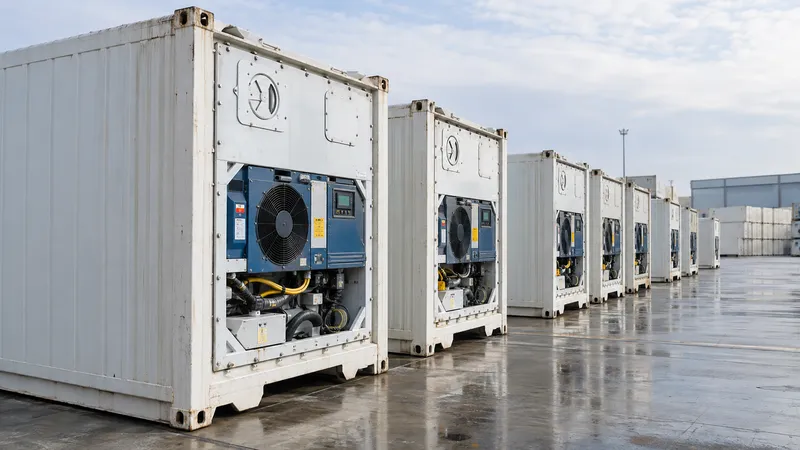
Read articlePrepare product requirements, temperature instructions, ventilation, power and monitoring arrangements before booking a reefer.
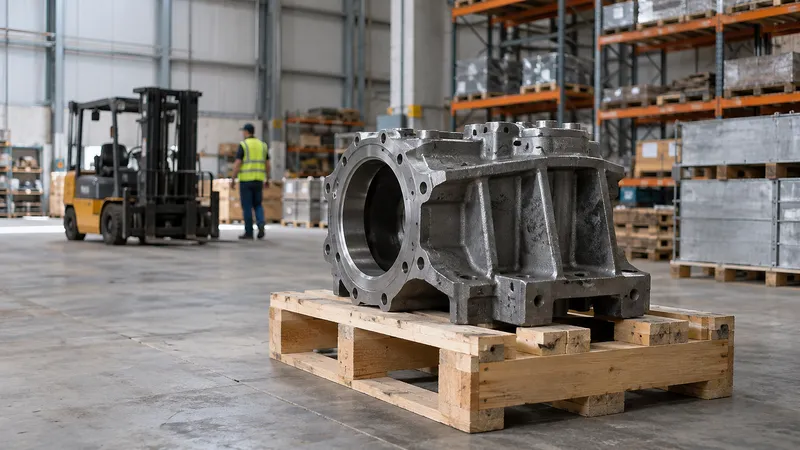
Read articleWhy container payload alone cannot approve heavy cargo: support, inland transport, terminal handling and unloading.
Read articleCollect classification, packaging, documents and route information for assessment of dangerous goods in a container.
Read articleIdentify bill of lading parties, distinguish them from invoice details and check house/master arrangements before submitting instructions.
Read articleCompare the draft with confirmed instructions, describe each amendment and verify the document and related filing updates.
Read articleDistinguish cargo insurance from carrier liability and compare scope, limits, exclusions and claims procedures.
Read articleRecord the observed condition safely, organise photographs and documents, and notify the relevant parties under the applicable procedure.
Read articleAgree the delivery point, import clearance, taxes and unloading before committing to DAP or DDP Incoterms 2020.
Read articleCollect supplier readiness, cargo details and documents, and agree what happens if one batch is late.
Read articleCompare inland delivery including the inland terminal, final road leg, availability and empty-container return.
Read articleCheck a container seal against the documents, record discrepancies and agree the next steps before opening.
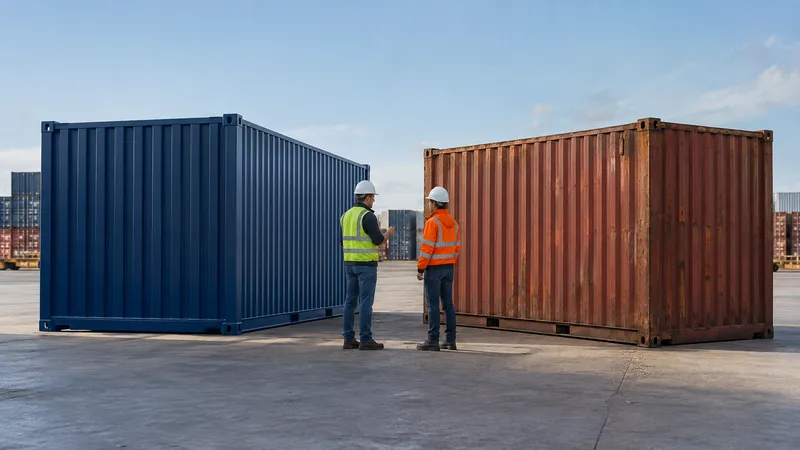
Read articleCompare SOC and COC transport through equipment acceptance, documentation, total costs and the plan after delivery.
Read articleDistinguish plans, estimates and actual events, and check whether a status concerns a vessel, container or document.
Read article