
Shipment operations · Importer
Vessel arrived but the container cannot be collected: what to check
Check discharge, terminal availability, releases, payments and collection arrangements before dispatching a truck on an ETA alone.
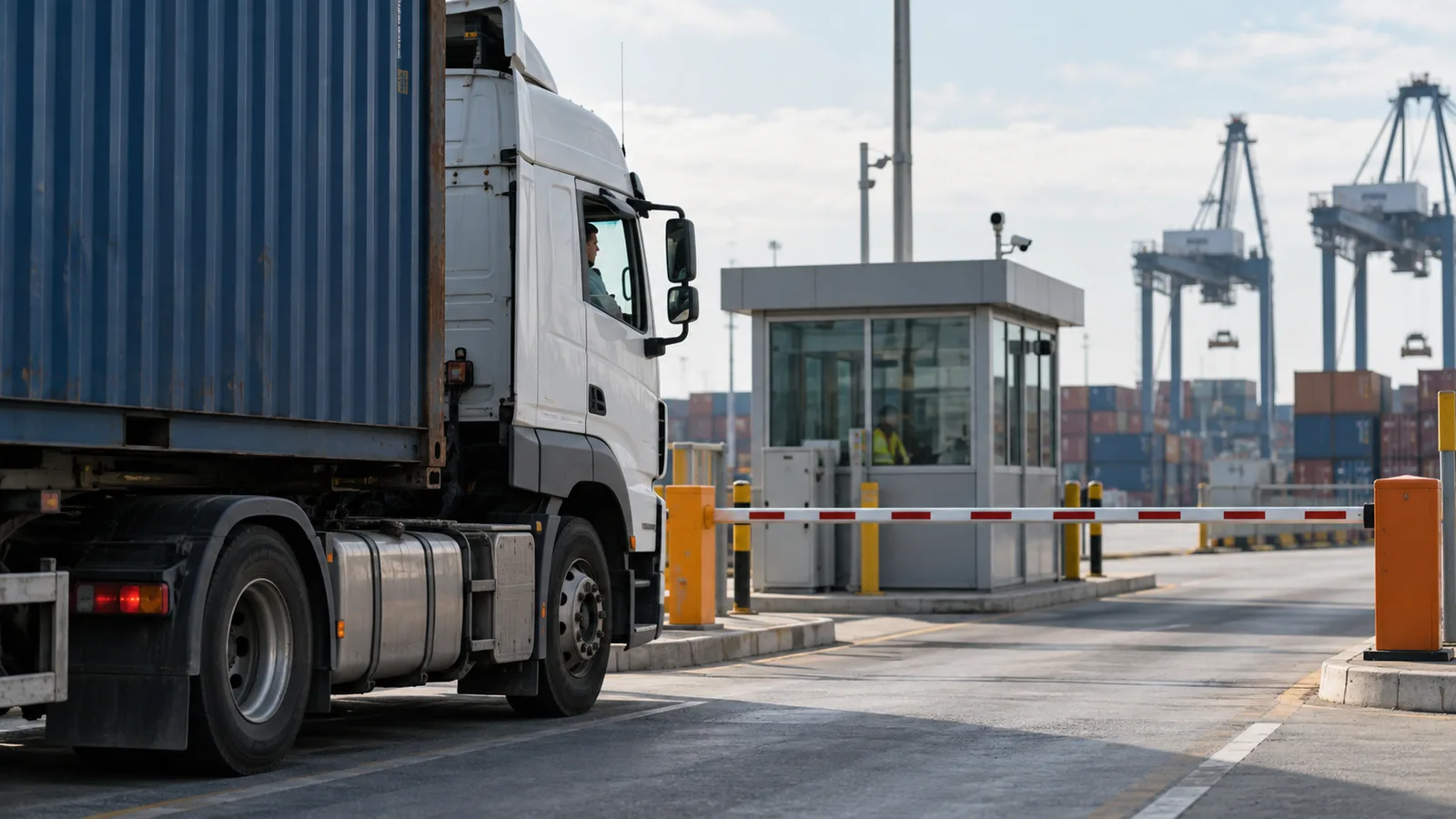
Identify the specific obstacle, responsible contact and conditions for collection readiness.
Vessel arrival does not automatically make a container collectable. You need confirmation for the unit itself, required releases and collection arrangements. Dispatching a truck based only on ETA may resolve none of the outstanding issues.
Use this checklist to structure discussions with carrier, agent, customs representative and terminal. It is not an identical procedure for every country or port. Establish the requirements for this shipment locally.
Start with discharge and location
Check container number, vessel and actual terminal. Request evidence of container discharge, not just vessel arrival. Confirm where the unit will be made available.
Do not assume the terminal in an early quotation remains unchanged. If rail, barge or another movement precedes release, identify the correct collection point and its current status.
Separate four checks
| Area | Question | Confirmation source |
|---|---|---|
| Physical availability | Is the discharged unit available at the collection point? | Relevant operator or terminal |
| Carrier release | Are the issuer's document and settlement requirements met? | Carrier or agent |
| Official formalities | Does the applicable procedure permit the next movement; are holds present? | Customs representative or authority |
| Collection organisation | Does the authorised haulier have an appointment and instructions? | Transport organiser and collection point |
Establish order and dependencies locally. One positive answer does not replace the others. Expand “container blocked” into a named hold, status source and contact who can explain it.
Check documents and payments with the releasing party
Confirm transport-document type and completion of the applicable release process. Where house and master documents exist, check both levels. Do not report “telex completed” when you have only an acknowledgement of a request.
Ask whether required payments are reflected in the issuer's system. A transfer receipt and a posted payment may need reconciliation. If another document is requested, establish its name and submission method.
Share release codes, passwords and collection credentials only with authorised recipients through the agreed local channel, not a broad email chain.
Ask about the applicable customs status
Submitting documents is not the same as release under the relevant procedure. Ask the representative which movement is permitted and what remains open.
Some collections involve onward movement under an appropriate procedure rather than completed import formalities at the port. Do not impose one scenario without establishing country, goods and clearance arrangements.
If an inspection is planned, identify coordinator, required documents and next update. This article does not set an authority's decision time.
Then confirm truck and warehouse
Once the applicable conditions are met, verify collection rights, appointment, opening hours and instructions. Coordinate warehouse delivery and empty return.
Hapag-Lloyd's local FAQ reminds users to check discharge and collection requirements. Its systems, historical dates and local timings are not presented here as global rules.
In a fictional case, vessel arrival and container discharge are confirmed but documentary release remains open. Sending a truck does not supply that confirmation. Record the release issue, agent contact and response time rather than calling the entire port unavailable.
Establish cost implications
Collect applicable free periods, tariffs and confirmed dates. Ask how the particular hold period is treated. Do not assume charges automatically stop because collection was impossible.
A calculator can assess a scenario using supplied inputs. Tariff applicability and charge entitlement need separate confirmation. Keep evidence of unavailability and responses for any invoice enquiry.
Collection checklist
- Correct container, collection point and discharge confirmed.
- Carrier and required settlement status explained.
- The representative has confirmed the appropriate formalities status.
- Collector has rights and a confirmed appointment.
- Warehouse and empty return are coordinated.
- Open issues have an owner and next action.
Enquiry about outstanding release
Please confirm collection readiness for container [number], booking [reference], collection point [location]. Confirmed facts: [facts and dates]. Identify physical availability, carrier release, settlement requirements and other known holds separately. For each open issue, specify the required action, responsible contact and next update. We will confirm road transport after collection conditions are agreed.
Related guides: Demurrage, detention and storage · Counting chargeable days ·
Sources and scope
- Hapag-Lloyd — Germany local information FAQSource checked: 2026-09-13
Carrier FAQ: tracking, release and empty-return instructions. Local procedures and deadlines are not universal port rules.
- Maersk — Bill of lading and sea waybillSource checked: 2026-09-13
Carrier explanation of transport documents. Sea waybill, original bill of lading and telex release are different concepts; confirm the shipment-specific release procedure.
- European Commission — Additional customs clearance documentsSource checked: 2026-09-13
European Commission guidance on commercial and transport documents. Their functions differ; applicable requirements depend on goods, country and procedure.
Editorial information
Author: WR
Published · Published: 13/09/2026 · Content updated: 13/09/2026